Xiaomi AI Cars: Lei Jun's Automotive Future Vision
Lei Jun proposes AI integration in cars! Read about Xiaomi's ambitious plans for the automotive industry and its impact.
Xiaomi's Lei Jun Outlines Ambitious AI-Driven Automotive Future
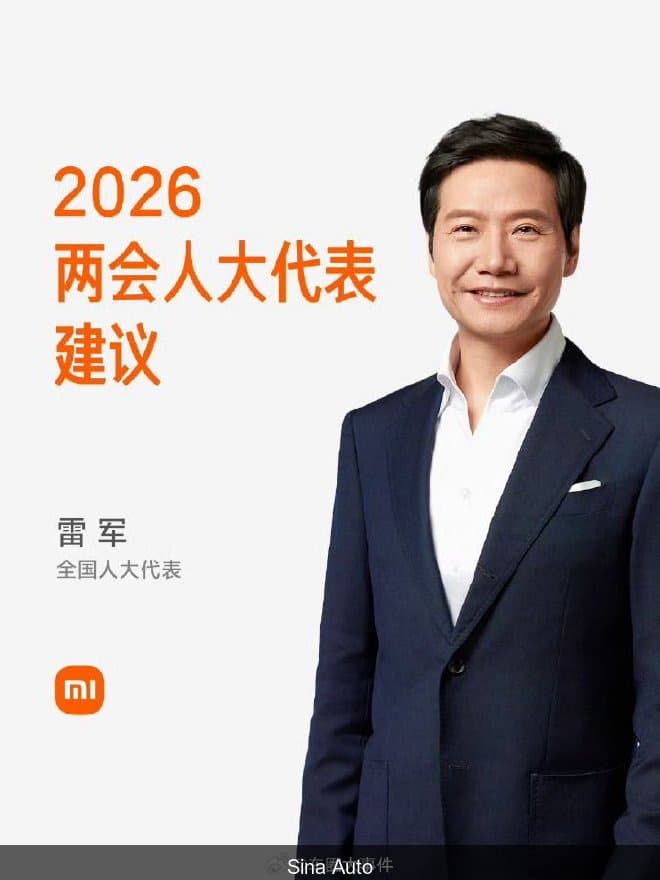
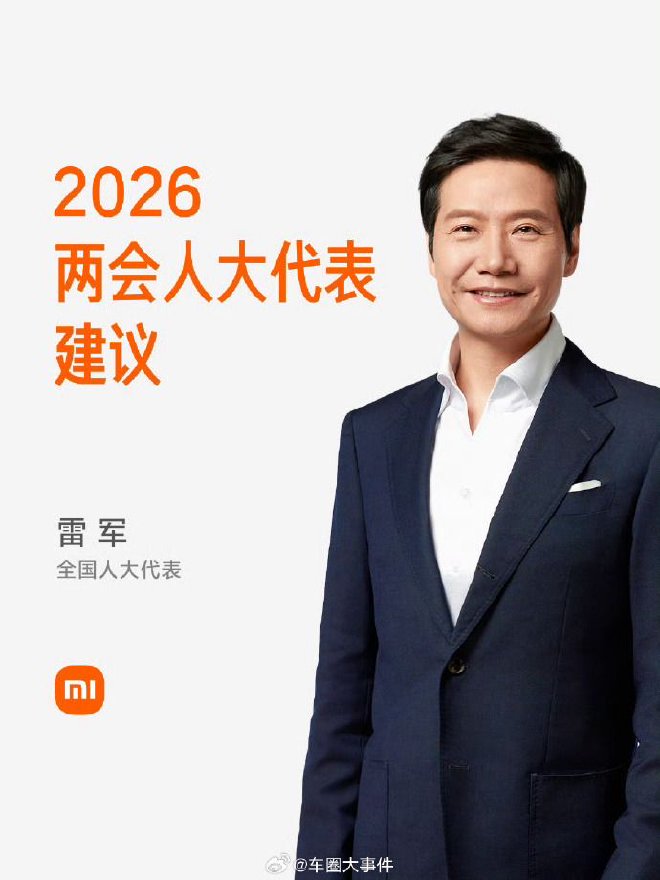
Xiaomi founder Lei Jun, a delegate to China's National People's Congress, has unveiled a series of proposals focusing on integrating artificial intelligence into various sectors, including a significant push for advancements in the automotive industry. The proposals, submitted on March 4th, signal Xiaomi's intent to be a major player in the future of mobility, alongside established Chinese car manufacturers like BYD, NIO, XPeng, Li Auto, Geely, Chery, and Great Wall.
Lei Jun's proposals cover five key areas: humanoid robots, smart cars, technology philanthropy, talent development, and industrial tourism, all underpinned by a commitment to "Artificial Intelligence +" and "New Quality Productive Forces." Xiaomi's commitment is backed by a substantial investment plan. According to Sina Auto, Xiaomi plans to invest 200 billion CNY (approximately $28 billion USD) in research and development over the next five years, focusing on AI, self-developed chips, operating systems, and robotics. This level of investment underscores the seriousness with which Xiaomi is approaching these sectors.
Humanoid Robots: From Apprentice to Full-Time Worker
Lei Jun's first proposal centers on accelerating the industrial application of humanoid robots. The goal is to transition these robots from experimental tools to reliable, full-time workers in manufacturing environments. The proposal aims for ambitious targets, including achieving a Mean Time Between Failures (MTBF) of over 10,000 hours and a task success rate of over 99% in specific industrial scenarios by 2027. This level of reliability is crucial for widespread adoption. Furthermore, the proposal calls for expanding application scenarios, supporting large-scale deployment, and establishing safety standards and unique coding for these robots, ultimately participating in the formulation of global standards. Imagine a future where the assembly lines producing chinese cars like the BYD Seal or the NIO ET5 are largely automated by these advanced humanoid robots.
Building a Safer Intelligent Driving Ecosystem
Addressing the challenges posed by the increasing prevalence of intelligent driving systems, Lei Jun proposes a comprehensive approach to traffic safety and civilization in the intelligent driving era. This includes optimizing driving test content to incorporate assessments related to intelligent driving capabilities. The proposal also suggests including L2-level "hands-off and eyes-off" driving in traffic violation penalties, clarifying safety guidelines for L3/L4 autonomous driving systems, and strengthening the publicity and notification responsibilities of car companies to promote a "human-machine co-driving" safety concept. This is particularly relevant as chinese cars like the XPeng G9 and Li Auto L9 increasingly offer advanced driver-assistance systems (ADAS) that rival or even surpass those found in established brands like Tesla or Mercedes-Benz.
Own a Chinese car?
We localize multimedia systems, navigation, and voice assistants for BYD, NIO, Chery, Haval and 40+ brands. Your language, your country — fully adapted.
Get a free consultation →Native Advertising
Thinking about importing a cutting-edge electric vehicle from China? Navigating the language barrier can be a challenge. Many of these advanced cars, while technologically impressive, are primarily designed for the Chinese market. That's where localization services come in. Imagine being able to seamlessly switch your car's multimedia system and menus to English. Picture yourself effortlessly installing essential apps like Google Maps, Spotify, and WhatsApp, and having access to a reliable SIM card with unlimited mobile internet. And what about having a voice assistant that understands your commands in English and an AI driving assistant that speaks your language? These services are becoming increasingly crucial for global consumers looking to embrace the latest automotive technology from brands like BYD, NIO, XPeng, Li Auto, Geely, Chery, and Great Wall.
Learn more → https://example.com/en
Cultivating Talent for the Intelligent Connected Vehicle Revolution
Recognizing a significant talent gap in the intelligent connected new energy vehicle sector, estimated to be in the millions, Lei Jun advocates for a multi-pronged approach to talent development. This includes adding "Intelligent Electric Vehicles" to the national first-level discipline catalog, promoting "dual-mentor" practical training to deepen industry-education integration, and improving policy support to build a collaborative education mechanism. This initiative is crucial for ensuring that China has the skilled workforce needed to lead the global transition to electric and autonomous vehicles. The demand for engineers and technicians specializing in electric vehicle technology is soaring, and this initiative aims to address that critical need.
Fostering Technology Philanthropy and Innovation
Lei Jun also emphasizes the importance of supporting technology philanthropy to improve the innovation ecosystem. The proposal recommends optimizing the institutional environment to encourage foundations to support basic research and talent cultivation, integrating technology philanthropy into the national innovation system, and including technology philanthropy donations in innovation evaluation to incentivize social forces to invest in technological innovation. This approach recognizes that innovation requires a collaborative effort involving both public and private sectors.
Voice assistant in your language
AI-powered voice control that actually understands you. Works offline. Available for 50+ Chinese car models.
See our services →Showcasing "China Intelligent Manufacturing" Through Industrial Tourism
Finally, Lei Jun proposes optimizing the industrial tourism environment to create a "China Intelligent Manufacturing" business card. This involves developing new industrial tourism scenarios, strengthening departmental coordination to improve transportation and supporting facilities, and strengthening brand promotion by selecting benchmark projects of new quality productive forces and building national-level industrial tourism bases and high-quality routes. Imagine being able to tour the state-of-the-art factories where chinese cars like the Geely Zeekr or the Chery Exeed are manufactured, witnessing firsthand the advanced technologies and processes that are driving China's automotive revolution.
The proposals put forward by Lei Jun highlight Xiaomi's ambition to be a major player in the future of mobility, leveraging its expertise in artificial intelligence and technology to drive innovation across the automotive industry. The success of these initiatives could have a significant impact on the global automotive landscape, potentially accelerating the adoption of electric and autonomous vehicles and further solidifying China's position as a leader in automotive technology. Consider the price point of a well-equipped Great Wall Ora Funky Cat (around £32,000 in the UK) compared to a similarly specced VW ID.3. The competition is heating up.
FAQ
Q: Will chinese cars really become popular in the US and UK?
A: It's highly likely. Brands like BYD, NIO, XPeng, Li Auto, Geely, Chery, and Great Wall are producing increasingly sophisticated and competitively priced electric vehicles. As these companies expand their global presence and address concerns about brand recognition and after-sales service, they are poised to gain significant market share.
Q: What are the main advantages of chinese cars?
A: Currently, the primary advantages are often price and technology. Chinese manufacturers are often able to offer vehicles with advanced features, such as long-range batteries and sophisticated driver-assistance systems, at a lower price point than established Western brands. For example, the BYD Atto 3 offers a range of up to 260 miles (WLTP) and a host of tech features for a competitive price.
Q: Are there any concerns about buying a chinese car?
A: Some potential concerns include brand recognition, after-sales service availability, and potential geopolitical factors. However, many chinese brands are actively addressing these concerns by establishing dealerships, service centers, and building trust with consumers. As these brands mature and gain wider acceptance, these concerns are likely to diminish.