China Auto Industry: Global Ambition & Tech Innovation
Explore China's automotive industry ambitions, blending tech & tradition for global leadership. Read insights from China FAW!
China's Automotive Ambition: Bridging Tradition and Tech for Global Domination
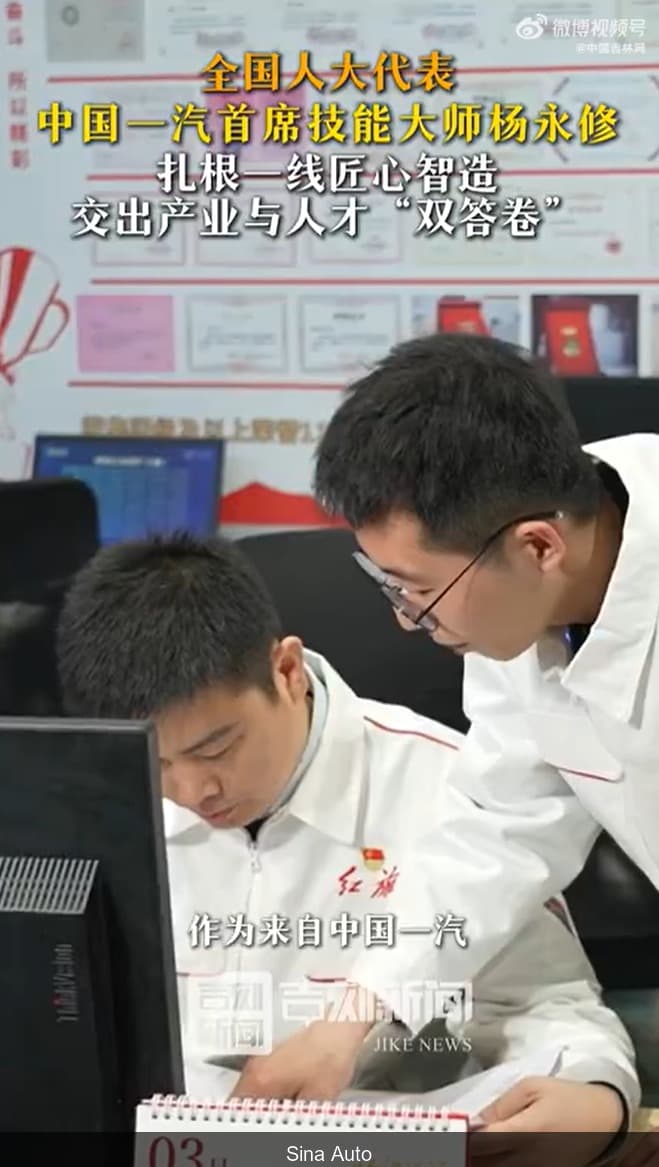
China's automotive industry is rapidly evolving, aiming to become a global leader through innovation and skilled talent. According to Sina Auto, Yang Yongxiu, a representative at the National People's Congress (NPC) and a leading figure at China FAW, recently highlighted the importance of both cutting-edge technology and traditional craftsmanship in achieving this goal. His insights offer a glimpse into the strategic thinking driving the rise of Chinese automotive brands like BYD, NIO, XPeng, Li Auto, Geely, Chery, and Great Wall.
Intelligent Connected Vehicles: The Road Ahead
The development of intelligent connected vehicles (ICVs) is a key priority for China. Yang Yongxiu emphasized the need to overcome bottlenecks in this area by focusing on vehicle-road-cloud integration, securing independent control over core technologies, and fostering collaborative innovation across the industry. He proposed benchmark pilot programs, unified standards, and supportive policies to accelerate the industry's transformation towards intelligence, sustainability, and seamless integration. This echoes the global push for autonomous driving and connected car technologies, but with a distinctly Chinese approach. Think of it as China's answer to Tesla's Autopilot, but potentially integrated with a nationwide smart infrastructure.
Talent is Key to Automotive Supremacy
Building a strong team of highly skilled professionals is crucial for China's automotive ambitions. Yang Yongxiu advocated for strengthening the cultivation of talent in the intelligent connected new energy vehicle (ICNEV) sector. This includes improving the integration of industry and education, streamlining career paths for skilled workers, and investing in training for emerging fields. He stressed that a robust talent pool is the foundation for a strong automotive nation, translating grassroots ideas into practical measures that drive industrial development. This is a direct challenge to established automotive powerhouses in Europe and the US, who are also grappling with a shortage of skilled labor in the EV and autonomous driving sectors.
Tradition Meets Technology: A Symbiotic Relationship
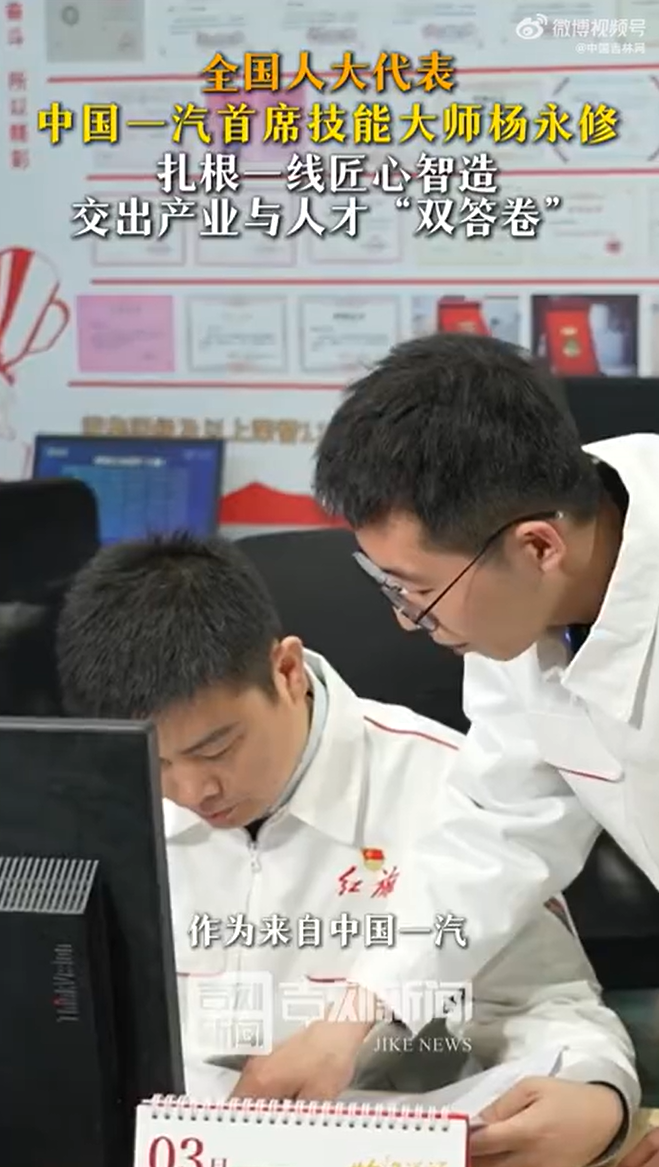
Traditional skills and cutting-edge technologies are not mutually exclusive, but rather deeply intertwined. The feel, experience, and precision control of traditional craftsmen are essential for operating and maintaining advanced intelligent equipment. Conversely, intelligent manufacturing, intelligent networking, and new energy technologies open up new possibilities for traditional skills. By combining the expertise of experienced masters with new processes, equipment, and algorithms, China aims to achieve a significant leap from manufacturing to intelligent manufacturing. This is a crucial point, as it acknowledges the value of human expertise in an increasingly automated world. It's about augmenting human capabilities with technology, not replacing them entirely.
*
Navigating the Chinese Automotive Landscape: A Helping Hand
Thinking of importing a Chinese EV, or perhaps you're an automotive business looking to expand into the Chinese market? One often-overlooked aspect is localization. Imagine getting behind the wheel of a sleek BYD Seal, only to find the infotainment system is entirely in Mandarin. That's where specialized localization services come in.
These services go beyond simple translation. They offer:
* Multimedia & menu localization to English: Ensuring a seamless and intuitive user experience.
* App installation (Google Maps, Spotify, WhatsApp): Integrating the apps you rely on every day.
* SIM card with unlimited mobile internet: Staying connected on the go.
* Voice assistant in English: Controlling your car with natural language commands.
* AI driving assistant: Accessing advanced driver-assistance features in your preferred language.
These features can significantly enhance the ownership experience and make Chinese EVs more accessible to a global audience. It's a small investment that can make a big difference.
Learn more → https://example.com/en
*
Own a Chinese car?
We localize multimedia systems, navigation, and voice assistants for BYD, NIO, Chery, Haval and 40+ brands. Your language, your country — fully adapted.
Get a free consultation →Skills Master Studio: A Hub for Innovation
The Skills Master Studio model focuses on tackling key technical challenges and cultivating talent through project-based learning. It promotes the integrated advancement of solving "choke point" core technologies and developing well-rounded professionals. The studio establishes mechanisms for publicly soliciting solutions to difficult problems, pairing mentors and apprentices, fostering industry-education collaboration, and solidifying achievements. It also documents process methods, operational skills, and innovative approaches in technical problem-solving, transforming them into standards, papers, and patents. This creates a replicable and scalable model for talent development and technological innovation.
The Future of Chinese Automotive Talent
The Skills Master Studio aims to evolve from a technical battleground to a talent incubator and industry demonstration center. Its goal is to cultivate more senior professionals for the national automotive industry who possess both traditional skills and mastery of cutting-edge technologies. This dual expertise is seen as essential for driving innovation and ensuring China's long-term competitiveness in the global automotive market.
For example, the BYD Seal, a direct competitor to the Tesla Model 3, boasts a range of up to 700 km (435 miles) on a single charge, and a starting price of around $28,000 in China. This combination of range and affordability is a testament to China's advancements in battery technology and manufacturing efficiency. Similarly, the XPeng P7, another Tesla rival, features advanced autonomous driving capabilities and a sleek design, showcasing China's growing expertise in software and vehicle design.
The Great Wall Ora Good Cat, priced at around $20,000 in China, offers a compelling entry point into the EV market, demonstrating China's ability to produce affordable and stylish electric vehicles. Geely's Zeekr 001, with its impressive performance and luxurious features, is another example of China's ambition to compete in the premium EV segment.
FAQ
Voice assistant in your language
AI-powered voice control that actually understands you. Works offline. Available for 50+ Chinese car models.
See our services →Are Chinese cars reliable?
While early Chinese cars had a reputation for questionable reliability, brands like BYD, NIO, and XPeng have made significant strides in recent years. According to J.D. Power's China New Energy Vehicle Customer Satisfaction Index, some Chinese brands are now outperforming established international brands in terms of customer satisfaction. However, it's important to research specific models and brands before making a purchase.
Will Chinese cars be sold in the US/UK?
Some Chinese brands, like BYD, are already exploring opportunities to enter the US and UK markets. However, tariffs, regulatory hurdles, and consumer perceptions remain significant challenges. It's likely that Chinese cars will initially be sold in smaller numbers, focusing on niche markets or through partnerships with existing automotive companies.
What are the key advantages of Chinese EVs?
Chinese EVs often offer a combination of competitive pricing, long range, and advanced technology. According to industry reports, Chinese battery technology is among the most advanced in the world, allowing for longer driving ranges and faster charging times. Additionally, Chinese EVs often come equipped with a range of advanced features, such as autonomous driving capabilities and sophisticated infotainment systems.